Intersect AI
AI DEVELOPMENT · DUBAI

We scope, structure and build custom AI tools for businesses.

A lot of what gets sold as custom AI is a prompt wrapped around someone else’s model. We pick the right technology for each part of the job: trained vision models for images and video, predictive models for your numbers, and large language models where reading and writing actually matter.

Led by a Chief AI OfficerAny model, including ones we trainBased in Dubai
EXAMPLE ARCHITECTURESite safety and progress, for a contractor Running
IN Site cameras Phone photos Programme Permits and logs
MODELS
COMPUTER VISIONDetection modelTrained on your own site footage
IMAGE CLASSIFICATIONProgress modelKnows your programme stages
FORECASTINGSlippage modelLearns from past projects
LANGUAGE MODELReport writerReads the results, never the footage
OUT
DAILY REPORT · BLOCK C 2 people without helmets, zone 4, 10:42 Level 6 slab at formwork stage Likely 4 days behind the programme Ask why it’s late
Four kinds of AI in one tool, each doing the part it’s best atExample figures
TECHNOLOGY

Some of the technology we build with.

A few examples, far from the full list. We use whatever suits each part of your tool, often several together. Choosing them is one of the first technical decisions we make with you, because it decides how accurate the tool is and what it costs to run.

Large language models are one option among many. Brilliant at language, and an expensive way to do almost anything else.

TECHNOLOGYWHAT IT’S GOOD ATWHERE IT FITS
Computer visionObject detection, segmentation, image classification Finding, counting and checking things in images and video Helmets and plant on a construction site. Damaged stock on a warehouse shelf. Defects on a production line.
Document AIOCR, layout models, field extraction Reading scans, forms and invoices, in Arabic and English Medical claim forms. Customs and freight paperwork. Supplier invoices from six different companies.
Predictive modelsClassification, regression, forecasting Your history in, a prediction out, with the reasons shown Demand for each room night. Which customers are about to leave. Which shipment will land late.
Anomaly detectionUnsupervised and semi-supervised models Spotting the record that doesn’t fit the normal pattern Claims fraud. AML alerts for exchange houses. A chiller drifting before it breaks down.
OptimisationSolvers and decision models Finding the best plan inside your rules and constraints Room rates. Crew rosters. Delivery routes across the emirates.
Language modelsLLMs with retrieval over your documents Reading, writing and answering questions in plain language An underwriting copilot. A daily site report. First-pass bid evaluation.
Custom trainingFine-tuning and models trained from scratch When an off-the-shelf model isn’t accurate enough on your work A model that knows your product codes, your clinical terms or your drawings.
Plus speech, recommendation engines, knowledge graphs and whatever else the job calls for. Tell us what you need built
INSIDE A BUILD

Pick a build and take it apart.

Three example builds, split into the parts that do the work. Click any part to see which kind of AI runs it, and why we’d choose it.

CONSTRUCTION CONTRACTOR · SEVERAL ACTIVE SITESSpot safety breaches as they happen, track progress against the programme, and warn which blocks will slip. EXAMPLE BUILD
PART 1 OF 5DATA PIPELINE

Capture

Frames are sampled from fixed cameras and site phones every few seconds, faces are blurred, and each frame is tagged with the site, zone and time.

WHY THIS MODEL

Video is expensive to move and store. We keep only the frames the models need, which keeps the hosting bill down and the privacy question simple.

TRAINED ONNot a model. Rules agreed with your safety and IT teams.
WHERE IT RUNSA small box on site, or your cloud
THE SHORTCUT WE’D SKIPStreaming every camera to the cloud around the clock.
PART 2 OF 5COMPUTER VISION

Detect

Finds people, helmets, vests, plant and exclusion zones in every frame, and raises an alert when someone without a helmet walks into zone 4.

WHY THIS MODEL

An object detection model trained on labelled frames from your own sites is more accurate on this narrow job than a general model, runs in a fraction of a second, and has no fee per image.

TRAINED ONA few thousand labelled frames from your sites
WHERE IT RUNSA GPU on site or in your cloud
THE SHORTCUT WE’D SKIPSending every frame to a large AI model and paying for each one.
PART 3 OF 5IMAGE CLASSIFICATION

Track progress

Reads weekly photos of each block and classifies the stage it has reached: rebar, formwork, slab poured, blockwork, MEP first fix.

WHY THIS MODEL

Your programme already defines the stages. A classifier trained on them gives the same answer for the same photo every time, which is what a progress report needs.

TRAINED ONPast progress photos, labelled against your programme
WHERE IT RUNSYour cloud, once a week
THE SHORTCUT WE’D SKIPA person eyeballing photos and updating a spreadsheet.
PART 4 OF 5FORECASTING

Forecast slippage

Predicts which blocks will miss their programme dates, from progress rates, crew numbers, deliveries and weather.

WHY THIS MODEL

This is a numbers problem, so it gets a numbers model. It shows which factors moved each forecast, so a project manager can argue with it.

TRAINED ONYour completed projects and their actual dates
WHERE IT RUNSYour cloud, nightly
THE SHORTCUT WE’D SKIPAsking a chatbot to guess from the latest report.
PART 5 OF 5LANGUAGE MODEL

Report and answer

Writes each project manager a daily report and answers questions like ‘why is Block C behind?’ in plain English.

WHY THIS MODEL

Language is the one part of this build that needs a large language model. It reads the structured results from the parts before it, never raw footage, so each question costs very little.

TRAINED ONNot trained. Given your report format and the day’s results.
WHERE IT RUNSA hosted model of your choice
THE SHORTCUT WE’D SKIPFeeding raw video and documents into the model on every question.
INSURER OR CLAIMS ADMINISTRATORRead every claim, code it, flag the suspicious ones and approve the clean ones, with a person on every exception. EXAMPLE BUILD
PART 1 OF 5DOCUMENT AI

Read the claim

Reads scanned claim forms, invoices and lab reports, in Arabic and English, and pulls out each field and line item.

WHY THIS MODEL

OCR and layout models built for documents are faster and more consistent than a general model at pulling fields off forms, and they don’t charge by the page.

TRAINED ONA labelled sample of your own claim documents
WHERE IT RUNSYour cloud or data centre
THE SHORTCUT WE’D SKIPSending every page of every claim to a large AI model.
PART 2 OF 5CLASSIFICATION

Code it

Maps each line item to the right procedure and diagnosis codes, with a confidence score.

WHY THIS MODEL

Your adjudicated claims are years of labelled examples. A classifier trained on them is consistent, auditable and quick.

TRAINED ONYour past adjudicated claims
WHERE IT RUNSYour cloud or data centre
THE SHORTCUT WE’D SKIPKeyword rules that break every time a provider changes its template.
PART 3 OF 5ANOMALY DETECTION

Flag fraud

Scores each claim against normal patterns for that provider, procedure and member, and shows the reasons behind every flag.

WHY THIS MODEL

Fraud keeps changing shape. A model that learns what normal looks like catches new patterns that fixed rules miss, and the reasons it shows can be explained to a regulator.

TRAINED ONYour claims history
WHERE IT RUNSYour cloud or data centre
THE SHORTCUT WE’D SKIPA black-box score nobody can explain to the regulator.
PART 4 OF 5DECISION ENGINE

Decide

Approves clean claims inside policy automatically and routes everything else to the right person, with the evidence attached.

WHY THIS MODEL

Your policy rules stay as rules. The models only feed them scores, so every decision can be traced and every rule changed by your team.

TRAINED ONYour policy wording, written as rules with your team
WHERE IT RUNSInside your claims system
THE SHORTCUT WE’D SKIPLetting a model make the final call on its own.
PART 5 OF 5LANGUAGE MODEL

Summarise the hard ones

Reads the free-text doctor’s notes on claims a person reviews and drafts a short summary for them.

WHY THIS MODEL

Only the claims that need a human get a language model, so token spend stays small while reviewers move faster.

TRAINED ONNot trained. Given your review checklist.
WHERE IT RUNSA hosted or private model, depending on your data rules
THE SHORTCUT WE’D SKIPRunning every claim through a large model whether it needs it or not.
HOTEL GROUP · SEVERAL PROPERTIESSet the rate for every room type and night from demand, competitor rates and events, then push it into the PMS. EXAMPLE BUILD
PART 1 OF 5DATA ENGINEERING

Join the data

Joins bookings from the PMS, channel data, competitor rates and the city events calendar into one clean history per property.

WHY THIS MODEL

Every model after this one is only as good as this table. It’s usually where most of the build time goes.

TRAINED ONNot a model. Your systems, mapped and cleaned.
WHERE IT RUNSYour cloud, refreshed hourly
THE SHORTCUT WE’D SKIPExporting spreadsheets by hand every morning.
PART 2 OF 5FORECASTING

Forecast demand

Predicts demand for each room type and night out to a year ahead, and updates as bookings come in.

WHY THIS MODEL

Demand forecasting is a classic machine learning problem with years of your own history to learn from. A language model has no business guessing it.

TRAINED ONYour booking history, by property and room type
WHERE IT RUNSYour cloud, several times a day
THE SHORTCUT WE’D SKIPLast year’s rate plus a percentage.
PART 3 OF 5OPTIMISATION

Set the price

Chooses the rate that earns the most across the stay pattern, inside your floors, ceilings and parity rules.

WHY THIS MODEL

Finding the best price under constraints is what optimisation models are built for. Your revenue rules are built in, never overridden.

TRAINED ONYour rate rules, plus the demand forecast
WHERE IT RUNSYour cloud, on every forecast update
THE SHORTCUT WE’D SKIPA tool that copies whatever the hotel next door is charging.
PART 4 OF 5INTEGRATION

Push the rates

Sends approved rates into your PMS and channel manager. The revenue manager can approve, change or lock any of them.

WHY THIS MODEL

The tool lives in the systems your team already uses, so nobody has to log in somewhere new.

TRAINED ONNot a model. Built on your PMS and channel manager.
WHERE IT RUNSConnected to your existing systems
THE SHORTCUT WE’D SKIPA dashboard someone has to copy numbers out of.
PART 5 OF 5LANGUAGE MODEL

Explain the change

Writes the morning note: which rates moved, by how much, and why.

WHY THIS MODEL

A short daily note is the right job for a language model. It works from the forecast and the optimiser’s output, so it costs very little to run.

TRAINED ONNot trained. Given your house style.
WHERE IT RUNSA hosted model of your choice
THE SHORTCUT WE’D SKIPAsking the model to do the pricing as well.

Example builds to show the thinking. Every real build is scoped on your data, with your team.

RUNNING COST

Designed for the bill that arrives every month.

Every call to a hosted model is charged, for as long as the tool runs. A build that sends everything to the biggest model looks fine in a demo and gets expensive in production. We design to reduce token burn from the first sketch.

Our own modelsVision, extraction and forecasting models trained for you run without a fee per call.
RetrievalThe model gets the three paragraphs it needs, not the 40-page manual.
RoutingEasy questions go to small, fast models. The large ones handle the hard few.
CachingA question answered once gets answered from memory next time.
Tight outputsStructured answers instead of essays, so you pay for fewer tokens.
EXAMPLE · 20,000 SUPPLIER INVOICES A MONTHSame job, two ways to build it
EVERYTHING THROUGH A LARGE MODEL
Every invoice, every page Large language model
Model spend
HOW WE’D BUILD IT
Extraction model reads most of them Unsure pages only Language model, with just those fields
Model spend

Bars are illustrative. Your quote states an estimated monthly running cost, and after go-live we report the real figure for three months.

AFTER GO-LIVE

Every model watched, every dirham accounted for.

You can see how accurate each model is, what it costs per run and how much gets sent to a person to check. Using small, trained models for the heavy work and a language model only where it's needed is what keeps the monthly cost down.

Model monitor · Site safety and progress Example figures
Images checked this month48,210
Running cost this monthAED 1,840
Sent to a person to check3%
MODELACCURACYCOST / RUN
Detection modelComputer vision · trained on your footage96.4%AED 0.02
Progress modelImage classification93.1%AED 0.01
Slippage modelForecasting±2.1 daysAED 0.00
Report writerLanguage model · reads results onlyApproved 98%AED 0.31
Where the running cost goes
Vision models6% of cost
Forecasting2% of cost
Language model92% of cost
The language model only reads results, never the footage, which keeps it small.

An example with example figures, based on the contractor architecture above.

DATA AND TESTING

Most of the work happens before the model.

Your data, made usable

We go through what you have with you: duplicates, gaps, scans with no text, Arabic and English mixed in the same field. Then we clean it, structure it, label it where a model needs examples, and build the pipeline that keeps it that way. If the data you need isn’t being captured yet, we design how it gets captured.

Accuracy, measured on your cases

Before your team relies on the tool, we build a test set from your own examples, the awkward ones included, and measure the build against a target we agree with you. When a model provider ships a new version, the same tests run again so you see what changed before your users do.

WHO BUILDS IT

A Chief AI Officer leads the technical design of every build.

Dr John Hawkins decides which technology goes where, how the models are trained and how the build is tested. Our consultants, trained at global consulting firms, make sure the tool fits how your business actually runs. AI is the only work we do.

Dr John Hawkins
TECHNICAL LEAD Dr John Hawkins Chief AI Officer A data scientist and machine learning specialist. Leads the technical design of every build, from model choice to testing.
David Gnanapragasam
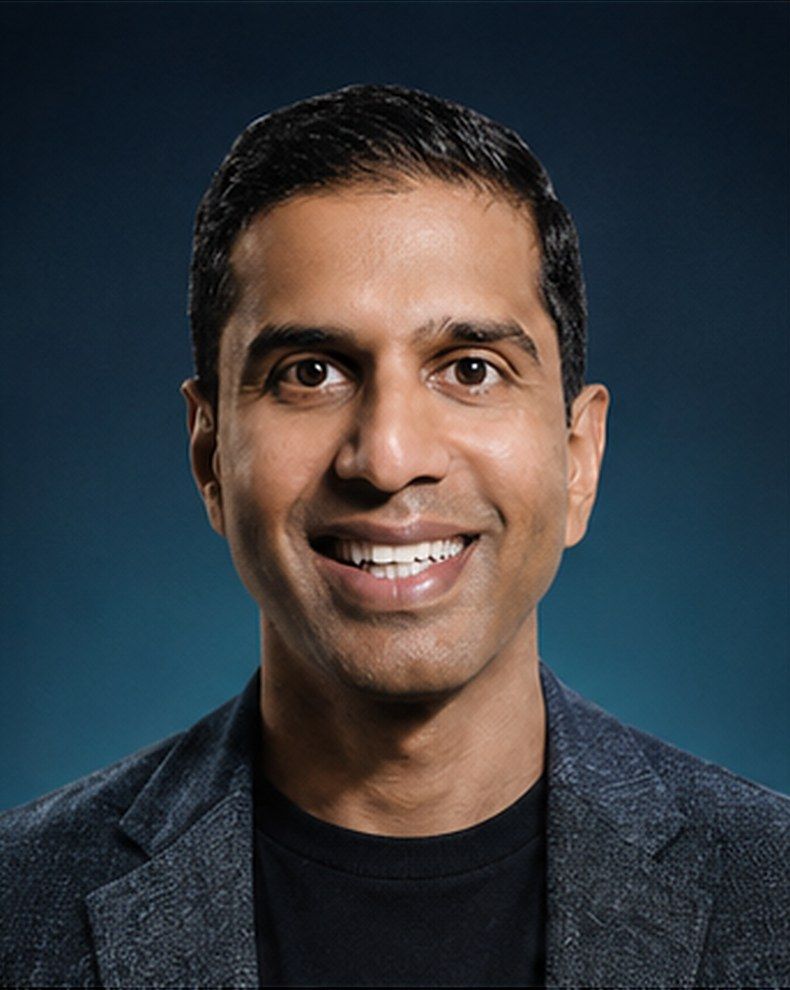
David GnanapragasamDirector of AI Consulting
Mikael Kreuger
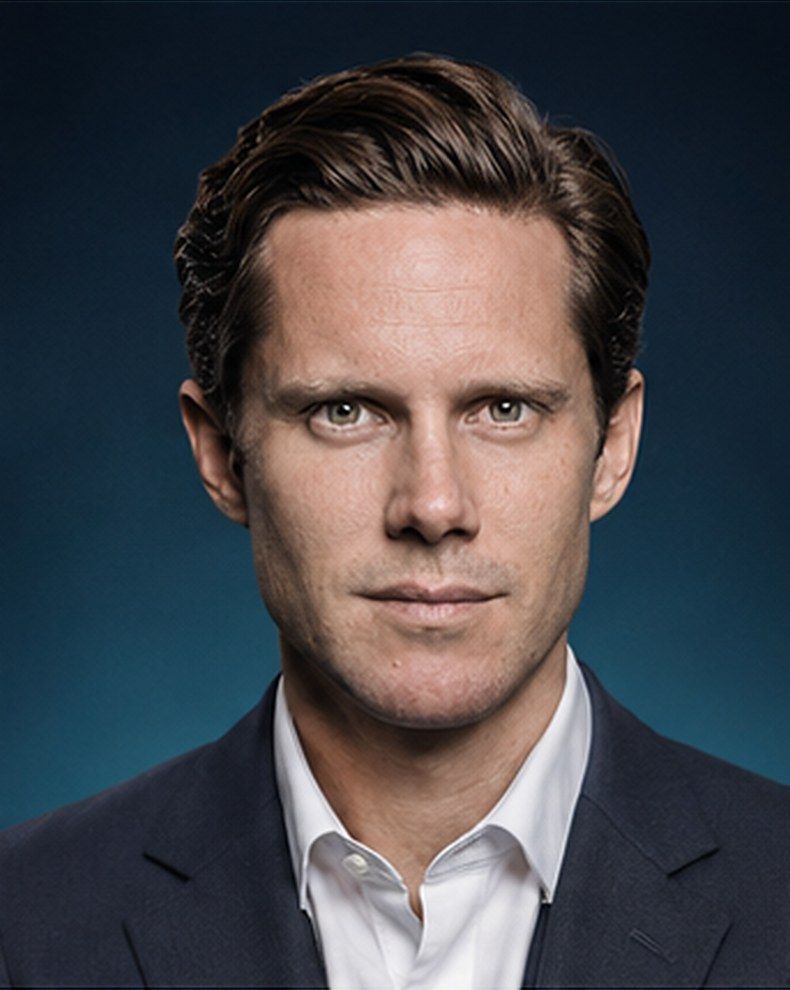
Mikael KreugerCEO and Co-founder
Max Doyle
Max DoyleManaging Director and Co-founder
Claude Partner Network Certified Services Partner badge Intersect AI is Certified in the Claude Partner Network Services Track.We stay model agnostic all the same: OpenAI, Anthropic, Google, open-weight models, or one we train for you, part by part.
CLIENT WORK · DATA CAPTURE AND AI
“Intersect AI learned our complex procedures and found non-intrusive ways to capture the data, so we can finally apply AI to deliver better patient outcomes.”
Julian AndrieszCEO, Verita
CLIENT WORK · AI AGENTS
“Intersect AI built AI agents that stripped the manual grind out of our influencer marketing workflows. Work that used to take our team days now takes hours, freeing them to focus on strategy and creators instead of spreadsheets.”
Monique SümeghyFounder, Brand Influence
HOW A BUILD RUNS

Five stages, on every build.

Scoping involves some back and forth with your team. It’s where the model choices on this page get made, and it’s what makes the quote accurate.

Discuss your build
  1. 01

    Scope

    What the tool does, who uses it, what it connects to and what a good result looks like.

  2. 02

    Data

    We analyse your data sets with you and get them clean, structured and usable by AI.

  3. 03

    Build in stages

    Models trained, tested and built into your systems in stages, to a fixed delivery date.

  4. 04

    Four weeks with your team

    Your people use it and tell us what to change in the tool and the interface. We change it.

  5. 05

    Go live

    Live, with your team trained, and the running cost checked against our estimate.

QUESTIONS

What technical buyers ask us

Do you just connect our data to ChatGPT?

Only for the parts where a language model is the most accurate and cost-effective option. Often a model trained on your own data does the job better and costs less to run. We explain the choice for every part of the build.

Which models do you build on?

Whichever suits each task: OpenAI, Anthropic, Google, open-weight models, or a model we train for you. You aren’t locked in to one vendor.

What will it cost to run each month?

Your quote includes an estimate based on the volumes the tool will handle. After go-live we report the real figure for three months.

Our data is a mess, or we don’t collect it yet. Can you still build?

Yes. That’s where a lot of projects start. We design how the missing data gets captured, then clean and structure what you already have.

Can you work with our own IT team?

Yes. We agree up front who owns what, and we write code your team can read and maintain.

Where does it run?

Wherever suits you. We aren’t tied to a cloud provider, and some models, like vision models on a site, can run on your own hardware.

DISCUSS YOUR BUILD

Tell us what you want AI to do.

A few sentences is enough. One of our AI leads reads every brief and comes back to you to start scoping it properly.

Rather talk it through? Book a call with the team

You’ll speak to the senior team from the first call.

We use your details to reply to this brief. Nothing else. Privacy policy

Last updated